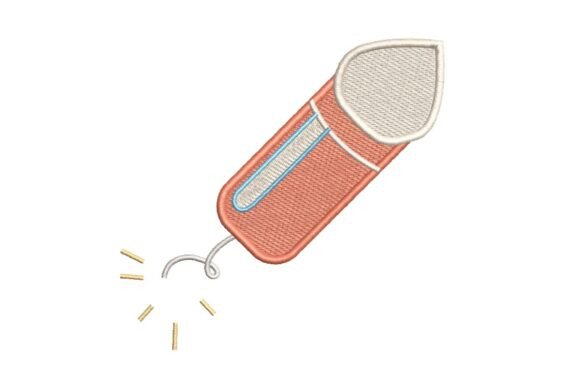
Grateful Embroidery Design Review
As an embroidery designer who has spent years digitizing and testing files for commercial use, I approach every new machine embroidery design with a critical eye. It is not just about whether a pattern looks cute on a screen; it is about how it performs under the needle, how it holds up after washing, and most importantly, how it serves the brand identity of the small business owner purchasing it. Recently, I evaluated the Grateful Embroidery Design, an Inspirational piece categorized under general Embroidery assets. My goal was to determine if this whimsical touch could transition from a digital file to a high-value component of small business merchandise.
First Impressions: Visual Personality and Brand Fit
The immediate impression of the Grateful Embroidery Design is one of approachable warmth. The description promises a "fun and whimsical touch," and visually, it delivers on that premise without sacrificing professionalism. For boutique owners, bakeries, florists, or creative studios, this aesthetic strikes a balance between handmade charm and polished presentation. It does not feel overly rustic or aggressively modern; instead, it occupies a sweet spot that feels classic yet fresh.
For brands built on community, wellness, or artisanal quality, this design acts as a visual shorthand for gratitude and positivity. When considering brand identity, consistency is key. If your current design assets lean toward minimalist line art or heavy industrial logos, this playful style might require careful integration. However, for businesses aiming to project friendliness and customer appreciation, this design serves as an excellent emotional anchor.
Real-World Applications for Small Business Merch
The true test of any digital embroidery file is its versatility across different substrates. I analyzed how the Grateful Embroidery Design would perform in several common commercial scenarios.
- Staff Uniforms and Aprons: For cafés and boutiques, apron embroidery is a subtle yet powerful branding tool. Placing this design on the chest pocket or lower corner of an apron adds personality to staff attire without overwhelming the uniform. It transforms a standard work garment into a piece of custom apparel that customers notice and appreciate.
- Embroidered Patches: This is perhaps the strongest use case. Creating an embroidered patch allows for maximum flexibility. You can sew these onto denim jackets, canvas totes, or even include them as free gifts with online orders. The whimsical nature of the design makes it highly shareable on social media, increasing buyer engagement.
- Tote Bags and Caps: As a tote bag design, the graphic stands out well against natural cotton or canvas. For cap embroidery, however, placement is critical. The curved surface of a baseball cap requires precise digitizing to prevent distortion. If the design includes fine details, ensure they are robust enough to survive the curvature of the front panel.
- Product Packaging Accents: Small businesses often look for ways to elevate unboxing experiences. Embroidering this design onto fabric tags or small linen pouches used for packaging adds a premium tactile element that printed labels cannot match.
Technical Considerations and Production Challenges
While the aesthetic appeal is strong, production realities must be addressed. The product description notes that it spruces up t-shirts, towels, and home decor, but it does not specify exact technical parameters. As a professional, I advise checking the specific stitch density and file formats before committing to a large run.
Fabric texture plays a significant role in the final outcome. On smooth fabrics like poly-cotton blends, the design will appear crisp. On textured materials like terry cloth towels or heavy linen, some finer details may get lost. I recommend running test stitches on the exact fabric you intend to use for your finished product. Additionally, consider the thread colors carefully. High contrast is essential for readability, especially if the design is used on dark uniforms. A light thread on a navy apron, for example, needs sufficient spacing between stitches to prevent the background color from bleeding through visually.
Another critical factor is the hoop size. Ensure that the design fits comfortably within your machine’s standard hoops without requiring excessive re-hooping, which can lead to alignment issues in batch production. If you are creating small patches, verify that the design remains legible at reduced sizes. Intricate whimsical elements can sometimes merge together if scaled down too far, resulting in a muddy appearance rather than a clean logo.
Enhancing Brand Trust and Customer Perception
Using a well-executed Grateful Embroidery Design does more than decorate an item; it builds trust. In the world of small business merch, perceived value is everything. An embroidered item signals effort, quality, and attention to detail. When a customer receives a tote bag or shirt with this design, they perceive the brand as established and caring.
This emotional connection drives repeat business. Inspirational designs resonate because they align with the customer’s values. By incorporating gratitude into your physical products, you reinforce a positive brand narrative. Furthermore, consistent use of this design across various touchpoints—from staff shirts to customer gifts—creates visual consistency. This recognition helps your brand stand out in a crowded marketplace, whether you are selling at local craft fairs or managing an Etsy store.
Practical Designer Notes for Implementation
Before launching this design into your production workflow, follow these steps to ensure quality control:
- Test in Black and White: Remove color variables initially to check the structural integrity of the digitizing. If the design lacks definition in monochrome, it may need adjustment before adding thread colors.
- Verify Stabilizer Requirements: Different fabrics require different stabilizer types. Cut-away stabilizers are generally best for garments that will undergo frequent washing, while tear-away may suffice for decorative home decor items that see less wear.
- Create a Printable Mockup: Use a printable mockup to visualize the design on various products before stitching. This helps in marketing materials and client approvals, saving time and thread.
- Confirm Commercial Licensing: Always review the license terms associated with the digital embroidery file. Ensure you have the rights to use the design for commercial purposes, especially if you plan to sell the embroidered items directly to consumers.
- Check Detail Spacing: Inspect the spacing between elements. If the design is intended for small patches, ensure there is enough negative space to prevent thread buildup and fabric puckering.
In conclusion, the Grateful Embroidery Design is a versatile asset for small business owners looking to add a personal, professional touch to their merchandise. By understanding its technical requirements and leveraging its emotional appeal, you can create high-quality commercial embroidery products that enhance your brand identity and delight your customers. Always prioritize testing and proper stabilization to ensure that the whimsical charm of the design translates perfectly into every stitched item.