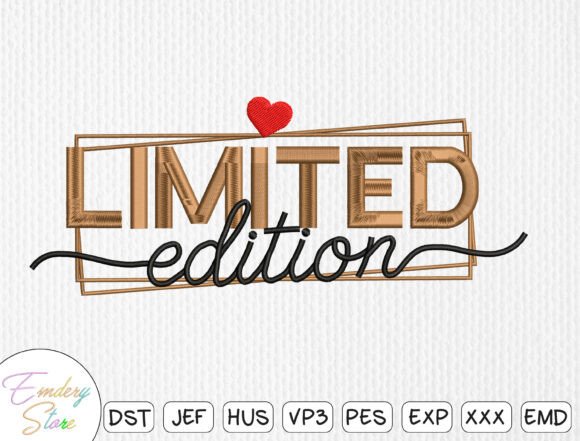
Limited Edition Embroidery Design Review
As an embroidery designer who has spent countless weekends standing behind craft fair tables, I have learned that not every machine embroidery design is created equal. Some designs look fantastic on a computer screen but fail to capture attention in the chaotic environment of a handmade market. Today, I am reviewing the Limited Edition Embroidery Design with a critical eye, focusing specifically on its potential as a high-converting craft fair product. My goal is to determine if this whimsical addition to my library can truly enhance fabrics and drive sales for small shop owners and Etsy sellers alike.
First Impressions: Whimsy Meets Marketability
The product description promises to "enhance your fabrics with a dash of charm," describing the artwork as cool, playful, and whimsical. In the context of Sewing and textile arts, these are powerful keywords. Craft fair shoppers are often looking for items that evoke joy or nostalgia. A design that feels too rigid or corporate rarely stops traffic at a booth. However, a design that offers a playful touch can become an instant conversation starter.
When I first loaded the digital embroidery file, I looked for clarity. Does the design read well from three feet away? For a handmade product to sell in a crowded room, it must be instantly understandable. This design appears to strike a balance between decorative detail and bold simplicity. It does not rely on microscopic details that get lost in translation, which is crucial for mass appeal. The "limited edition" aspect also adds a layer of exclusivity, allowing me to market these items as unique finds rather than generic goods.
Product Applications: Where This Design Shines
The versatility of this Embroidery pattern is its strongest asset. The description suggests it is ideal for t-shirts, towels, and home decor. Based on my experience, here is how I would deploy this design across various product lines to maximize revenue.
- Tote Bag Design: A canvas tote is the bread and butter of many craft fairs. Placing this whimsical design centrally on a natural cotton tote creates an immediate visual hook. It transforms a basic utility item into a statement piece.
- Tea Towel Embroidery: Kitchen textiles are impulse buys. Because the design adds a playful touch, it works beautifully on linen or cotton tea towels. It elevates a simple household item into a giftable small shop product.
- Apron Embroidery: For the home chef or the gardening enthusiast, an apron featuring this charm-filled motif feels personal and curated. It suggests a lifestyle of creativity and care.
- Embroidered Patch: If the scale allows, digitizing this as a standalone patch opens up inventory options for customers who want to customize their own jackets or bags later.
I also see potential for pillow covers and market bags. The key is consistency. By using the same design assets across multiple product types, I create a cohesive brand aesthetic that looks professional and intentional.
Production Practicality and Batch Efficiency
For a boutique maker, time is money. A beautiful design that takes four hours to stitch is not viable for a high-volume craft fair strategy. I evaluate this Limited Edition Embroidery Design based on its production efficiency. While the exact stitch count is not provided in the brief, the description implies a "cool" and "charming" aesthetic rather than a dense, photo-realistic one. This usually suggests moderate stitch density, which is favorable for quick turnaround times.
Batch production is essential. I need to know if this design runs cleanly on multiple layers of fabric without frequent thread breaks or bird nests. If it performs well on standard cottons, it becomes a reliable staple in my inventory. Furthermore, how does it photograph? A design that looks vibrant in a printable mockup and translates well to Instagram photos is vital for the modern Etsy seller. The whimsical nature of the art likely lends itself well to bright, airy photography styles that perform strongly on social media.
Critical Considerations for the Experienced Stitcher
While the potential is high, there are technical hurdles to consider before launching this as a commercial embroidery line. I always advise fellow designers to conduct rigorous testing.
- Fabric Texture: The description mentions towels. Terry cloth is tricky. If the design has fine details, they may sink into the loops of the towel. I recommend using a water-soluble topping to keep the stitches visible and crisp.
- Thread Colors: Whimsical designs often rely on specific color palettes. I must ensure that the recommended thread colors contrast sufficiently with the fabric. A dark design on a dark shirt will vanish, killing the visual appeal.
- Hoop Size: Always confirm the required hoop size before purchasing. If the design is large, it may require a 5x7 or 6x10 hoop, which limits the types of machines that can produce it. If it fits in a 4x4 hoop, it becomes much more versatile for small items like pouches and caps.
- Stabilizer Selection: The right stabilizer is non-negotiable. For stretchy t-shirt fabrics, a cut-away stabilizer is necessary to prevent distortion. For woven home decor items, a tear-away may suffice. Testing on scrap fabric is the only way to be sure.
Enhancing Brand Value and Customer Engagement
Ultimately, the Limited Edition Embroidery Design is more than just threads on fabric; it is a tool for brand building. When a customer sees a cohesive collection of totes, towels, and aprons featuring the same charming motif, it signals quality and attention to detail. This consistency builds trust.
In a busy marketplace, buyers engage with products that tell a story. This design’s playful nature invites questions. "Where did you get that?" is the best question a vendor can hear. By positioning this as a limited run, I create urgency. Customers know that once the batch is sold, the specific combination of this design and their chosen fabric may not be available again.
For those creating finished product listings online, ensure you check the commercial licensing terms included with the embroidery file. Never assume a digital purchase grants unlimited commercial rights. Verify that you are allowed to sell physical items made with this design on platforms like Etsy or at local fairs.
Final Verdict for Makers
If you are looking to refresh your inventory with something that feels fresh yet accessible, this design warrants a test run. Start by stitching it on a neutral tote bag and a textured tea towel. Compare the results. Check the spacing and the clarity of the whimsical elements. If it holds up under scrutiny, it has the potential to become a bestseller in your Sewing and embroidery lineup. Remember, the best designs are those that bring a smile to the customer’s face while keeping the production process efficient for the maker. This Limited Edition Embroidery Design seems poised to do exactly that.