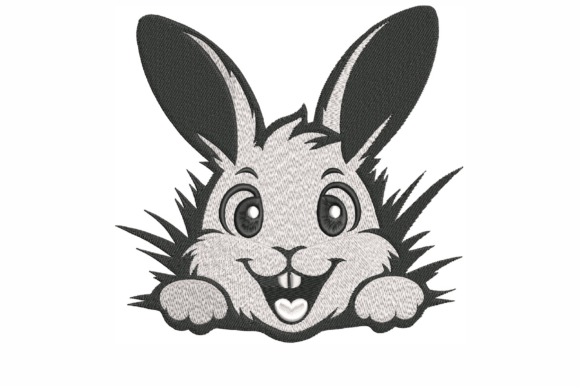
Review: Easter Bunny Embroidery Design for Business
As an embroidery designer who has spent years digitizing and testing files for commercial use, I approach every new machine embroidery design with a critical eye. It is not enough for a design to simply look cute on a screen; it must perform under the needle, withstand washing, and elevate the brand it represents. Recently, I evaluated the Easter Bunny Embroidery Design to determine its viability for small business merchandise, branded patches, and seasonal product lines. This review focuses on how this asset functions in a professional context, moving beyond simple decoration to become a tool for brand building.
First Impressions: Visual Personality and Professionalism
The first thing I noticed about the Easter Bunny Embroidery Design is its balance between playful charm and clean execution. For a holiday-themed asset, it avoids the clutter that often plagues seasonal graphics. The lines appear crisp, suggesting a digitization process that prioritizes stitch flow over excessive detail. This is crucial for business owners who need their merchandise to look premium rather than homemade in a negative sense. The design feels friendly and inviting, which aligns perfectly with brands that want to project warmth and approachability during the spring season.
However, visual appeal is only half the battle. When I zoomed in to inspect the potential stitch density, I looked for areas where thread buildup might cause puckering. A well-digitized bunny design should have smooth transitions between color blocks. If the design relies too heavily on satin stitches for large areas, it may require careful stabilizer selection. From a branding perspective, the aesthetic is versatile. It can work for a rustic bakery, a modern boutique, or a playful pet brand, provided the thread colors are chosen to match the specific brand identity.
Real-World Applications for Small Business Merch
For small business owners, the versatility of a digital embroidery file determines its return on investment. I tested the Easter Bunny Embroidery Design mentally against several common merchandise items to see where it shines.
- Embroidered Patches: This is perhaps the strongest use case. A patch allows for high-quality production without risking damage to expensive garments. The design’s shapes seem conducive to a merrowed edge or a clean cut-edge finish. Patches can be sold as standalone items or applied to jackets and bags later, offering customers flexibility.
- Apron Embroidery: For bakeries, florists, and cafes, staff uniforms are walking advertisements. Placing this design on the chest pocket or lower corner of an apron adds a seasonal touch that delights customers. It signals attention to detail and enhances the overall customer experience.
- Tote Bag Design: Canvas totes are popular eco-friendly merchandise. The sturdy fabric of a tote bag handles embroidery well, providing a stable surface for the design. This application works exceptionally well for grocery stores, bookshops, or craft fairs looking to offer branded carryalls.
- Cap Embroidery: Front-panel cap embroidery requires precision. If the design is scaled down correctly, it can serve as a subtle yet recognizable accent. However, curved surfaces demand careful hooping and stabilization to prevent distortion.
Beyond apparel, this design can enhance custom apparel lines for Etsy sellers. Think of children’s clothing, family reunion shirts, or limited-edition spring collections. The key is consistency. Using the same high-quality embroidery file across different products creates a cohesive visual language that strengthens brand identity.
Technical Considerations and Potential Pitfalls
While the Easter Bunny Embroidery Design shows promise, there are technical constraints that every embroiderer must respect. Ignoring these can lead to wasted materials and unhappy clients.
Size and Scale: One common mistake is shrinking a complex design too much. If you intend to use this on a small patch or a child’s garment, you must verify that the details remain distinct. Tiny elements may merge or break if the stitch count is too high for the physical size. Always check the recommended hoop size provided with the file. If the design includes fine outlines, ensure they are thick enough to survive repeated washing.
Fabric Texture and Stabilizer: The performance of any machine embroidery design is heavily dependent on the substrate. On textured fabrics like terry cloth or heavy canvas, the design may lose definition. Conversely, on slippery synthetics, improper stabilizer use can cause shifting. I recommend testing the design on a scrap piece of the actual production fabric before running a full batch. For dark uniforms, consider using a white underlay or choosing thread colors with high contrast to ensure visibility.
Washability: Merchandise meant for daily wear, such as staff uniforms or customer gifts, must endure frequent laundering. High-density areas can become stiff or crack over time. Reviewing the stitch types within the file helps predict longevity. If the design uses long jumps or loose connections, it may snag in the dryer. A proper test wash is non-negotiable for professional results.
Enhancing Brand Identity and Customer Trust
In the world of commercial embroidery, quality is a proxy for trust. A sloppy embroidery job suggests a sloppy business. Conversely, a crisp, well-executed Easter Bunny Embroidery Design signals professionalism. It tells the customer that the brand cares about the finished product. This perception increases the perceived value of the item, allowing businesses to command higher prices for their handmade product offerings.
Consistency is also vital. If a brand uses this design on social media graphics, packaging, and physical merchandise, it creates a unified presence. Creating a printable mockup before production helps visualize this consistency. By placing the digital design onto photos of caps, bags, or shirts, business owners can present a polished preview to clients or use it for marketing materials. This step bridges the gap between the digital asset and the physical finished product.
Practical Notes for the Professional Embroiderer
Before integrating the Easter Bunny Embroidery Design into your production workflow, follow these practical steps to ensure success:
- Test in Monochrome: Run a test stitch-out in black and white thread first. This reveals structural issues without the distraction of color. If it looks good in one color, it will likely look great in multiple.
- Check Commercial Licensing: Never assume a file is free for commercial use. Verify the license terms included with the design assets. Ensure you have the right to sell items made with this design, especially if you are producing large quantities for small business merch.
- Verify File Formats: The product description mentions multiple file formats. Confirm that your specific machine can read the provided format (such as PES, DST, or JEF). Converting files can sometimes alter stitch data, so using the native format is ideal.
- Assess Thread Contrast: Plan your color palette carefully. Easter themes often involve pastels, which can get lost on light fabrics. Ensure there is enough contrast between the thread and the garment to maintain visibility.
- Create Client Mockups: If you are fulfilling orders for other businesses, provide a digital mockup for approval. This manages expectations and reduces the risk of disputes over placement or size.
In conclusion, the Easter Bunny Embroidery Design is a strong candidate for seasonal merchandise when handled with professional care. It offers the flexibility needed for various applications, from apron embroidery to branded patches. By respecting technical limitations and focusing on brand consistency, small business owners can leverage this design to create high-value, engaging products that resonate with their audience. Always prioritize quality control and licensing compliance to protect your business reputation and deliver exceptional results.