Review: Primitive Grow Crow Embroidery Design
As an embroidery designer who spends more time behind a machine than in front of a mirror, I know that not every digital file translates into a bestseller. When I pulled up the Primitive Grow Crow Embroidery Design on my screen this morning, I was looking for more than just cute aesthetics. I was evaluating its potential as a high-converting craft fair product. For those of us running small shops or weekend booths, the difference between a design that sits idle and one that flies off the table often comes down to immediate visual impact and production practicality.
First Impressions: Rustic Charm with a Message
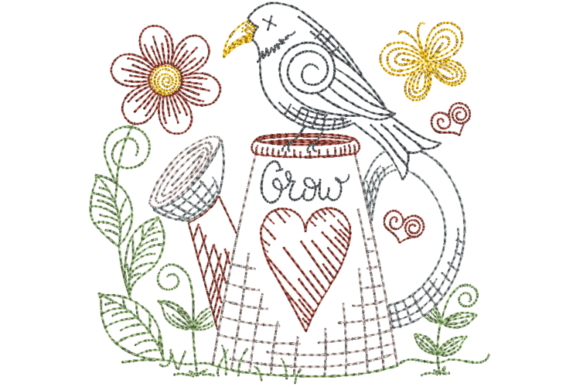
The first thing that strikes me about this design is its cohesive narrative. It is not just a bird; it is a scene. The primitive-style crow perched on a stitched watering can, adorned with a patchwork heart and the word “Grow,” creates an instant emotional connection. This fits squarely into the popular farmhouse and rustic decor trends that continue to dominate the handmade market. It feels grounded, whimsical, and slightly nostalgic.
For an Etsy seller or boutique maker, this mood is crucial. Customers are not just buying stitches; they are buying a feeling of home and garden serenity. The inclusion of the word “Grow” adds a layer of meaning that appeals to gardeners, plant lovers, and anyone interested in personal growth. This thematic depth makes the machine embroidery design versatile enough to appeal to a broad demographic, from young plant parents to seasoned homesteaders.
Product Application: Where This Design Shines
When planning my booth display, I always ask: "Where does this look best?" The Primitive Grow Crow Embroidery Design is particularly strong on natural fibers and neutral backgrounds. Here is how I envision it performing across different product categories:
- Tote Bag Design: This is arguably the strongest application. A canvas tote with this design centered offers a large enough canvas for the details to shine. It transforms a simple bag into a statement piece for farmers' market runs.
- Apron Embroidery: Placed on the bib or lower corner of a linen apron, this design speaks directly to the kitchen gardener. It suggests utility mixed with charm, a combination that sells well in spring and summer.
- Tea Towel Embroidery: Kitchen textiles are impulse buy favorites. However, care must be taken with the fabric texture. A waffle weave might obscure the finer details of the patchwork heart, so a smooth cotton or linen blend is preferable.
- Embroidered Patch: If the design scales down well, it could become a hit as an iron-on or sew-on patch. Patches are low-cost, high-margin items that allow customers to customize their own jackets or bags.
- Pillow Covers: A burlap or muslin pillow cover featuring this crow would fit perfectly in a rustic living room setting, adding texture and visual interest without overwhelming the space.
Production Practicality and Batch Selling
From a business owner’s perspective, the ease of production is just as important as the aesthetic. A design that looks great but takes forty minutes to stitch is a bottleneck during peak seasons. While I do not have the exact stitch count for this specific file, the description suggests a balanced composition. The primitive style typically implies simpler fills and less intricate shading, which often translates to faster run times and fewer thread breaks.
For batch production, consistency is key. The thread colors chosen will define the final look. I recommend sticking to earthy tones—charcoal or black for the crow, muted greens for the foliage, and warm reds or creams for the patchwork heart. High contrast between the thread and the fabric is essential for the design to be understood at a glance. If you are using dark fabric, you may need to adjust the underlay or use a white background fill to ensure the crow does not disappear.
Technical Considerations for the Maker
Before committing to a large run of finished products, there are several technical factors to review. First, check the hoop size requirements. Ensure the design fits comfortably within your standard hoop without requiring excessive re-hooping, which slows down production. Second, evaluate the stitch density. Primitive designs can sometimes rely on dense satin stitches for outlines. If the density is too high on lightweight fabrics like tea towels, you risk puckering. Always use the appropriate stabilizer—a cut-away for stretchy fabrics like tote bags, and a tear-away for stable woven linens.
Another critical point is the legibility of the lettering. The word “Grow” must remain clear. If you plan to scale the design down for smaller items like pouches or caps, verify that the text does not become illegible. Tiny details, such as the stitching on the watering can, may merge together if the design is reduced too much. Always create a test stitch-out on scrap fabric identical to your final product material.
Marketing and Visual Appeal
In the digital age, your product must sell twice: once in person and once online. The Primitive Grow Crow Embroidery Design photographs exceptionally well because of its distinct shapes and contrasting elements. When creating listings for your small shop product range, use natural lighting to highlight the texture of the stitches. A printable mockup can help visualize the design on various items, but nothing replaces a photo of the actual finished product in a styled setting.
Consider the context of the photo. Place the embroidered tote next to a trowel and some seedlings. Hang the apron in a sunlit kitchen. These lifestyle shots help the customer imagine the item in their own life, increasing the perceived value. For commercial embroidery sellers, providing these high-quality images as part of your design assets can be a significant selling point for other makers who purchase your digital files.
Final Verdict for Craft Fair Sellers
The Primitive Grow Crow Embroidery Design is a strong contender for any maker focusing on home, garden, or rustic themes. It balances whimsy with sophistication, making it appealing to a wide audience. Its strength lies in its storytelling capability—it is not just a bird, it is an invitation to grow.
However, success depends on execution. Pay attention to fabric choice, ensuring the texture complements rather than competes with the stitches. Verify the digital embroidery file specifications, including format compatibility with your machine and licensing terms for commercial use. If you are unsure about the license, always contact the designer or check the product page details before selling.
By treating this design as a core component of your spring and summer collection, you can create a cohesive line of handmade product offerings that stand out in a crowded market. Whether it ends up on a cap, a cushion, or a canvas bag, this crow has the potential to be a memorable favorite for your customers. Remember, the best designs are those that spark joy and conversation, and this primitive crow certainly has the charm to do both.