Reviewing Abstract Modern Art Embroidery Design
As a designer who spends more time staring at stitch simulations than actual fabric, I have learned to be skeptical of bold claims. When I first loaded the Abstract Modern Art Embroidery Design into my software, I was looking for potential pitfalls. We have all been there: you buy a digital embroidery file that looks stunning on the screen, only to find it turns into a tangled mess of thread breaks and puckering once it hits the hoop. However, after putting this design through its paces on various textiles, I found it to be a surprisingly robust asset for contemporary makers.
First Impressions: Bold Shapes and Visual Impact
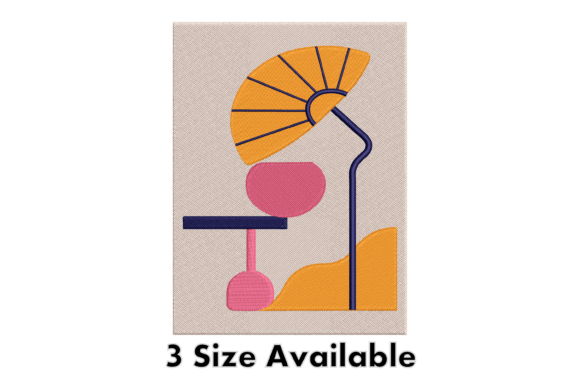
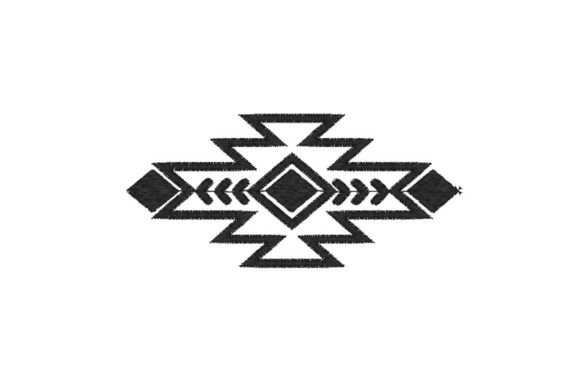
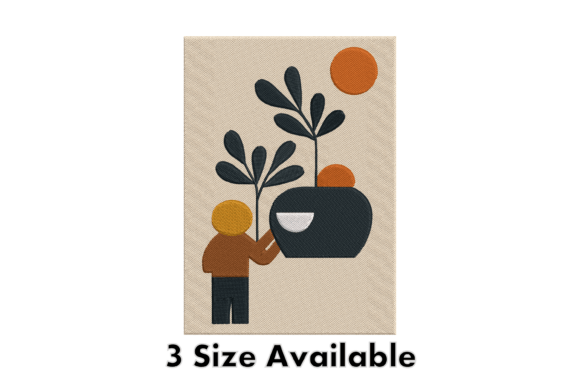
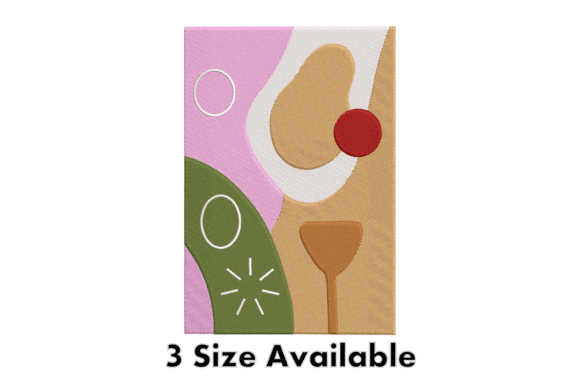
The immediate standout feature of this Abstract Modern Art Embroidery Design is its confident use of geometry. In the world of Shapes, abstraction can often feel chaotic, but here, the layout feels intentional. The design relies on strong, intersecting forms that create a sense of movement without relying on intricate, fragile details that might get lost in the stitching process. This is crucial for a machine embroidery design intended for commercial use. Customers do not always appreciate micro-details; they appreciate clarity.
The color palette suggested in the preview is vibrant, leveraging high-contrast thread colors to make the shapes pop. For an Etsy seller or small shop product creator, this visual punch is essential. It stops the scroll. Whether you are creating a printable mockup for your online store or photographing a finished product for Instagram, the design’s inherent graphic quality translates well to digital media. It feels less like traditional needlework and more like wearable art, which aligns perfectly with current trends in custom apparel.
Real-World Application: The Tote Bag Test
To truly evaluate any embroidery project, you must take it off the screen and into the hoop. I decided to test this design on a heavy canvas tote bag, a staple item for many craft business owners. Canvas is forgiving, but it also reveals issues with stitch density. If a design is too dense, the fabric pulls and warps. If it is too light, the background fabric shows through uncomfortably.
The Abstract Modern Art Embroidery Design performed admirably here. The balance between fill stitch areas and open space allowed the texture of the canvas to breathe while still providing solid coverage. The bold shapes anchored the center of the bag beautifully. I used a medium-weight cut-away stabilizer to ensure the hoop tension did not distort the geometric lines. The result was a crisp, professional-looking tote bag design that felt durable enough for daily use. This is the kind of reliability that builds customer trust. When a buyer receives a handmade product that holds its shape after washing, they return.
Versatility Across Products
Beyond tote bags, I considered where else this design could shine. The abstract nature makes it gender-neutral and age-agnostic, which expands its marketability. Imagine this as sweatshirt embroidery on a neutral grey hoodie. The vibrant colors would contrast sharply against the muted fabric, creating a streetwear aesthetic that appeals to younger demographics. Alternatively, scaled down, it could work as an embroidered patch for denim jackets or backpacks.
For those interested in home decor, this design translates well to cushion covers. The modern aesthetic fits seamlessly into contemporary living spaces. However, when considering baby embroidery or nursery decor, one must be cautious. While the shapes are soft in their abstraction, the vibrancy might be too stimulating for a calming nursery theme unless pastel thread variations are used. Always consider the end-user’s environment when selecting design assets for specific niches.
Technical Considerations and Fabric Choices
No design is universal, and the Abstract Modern Art Embroidery Design has its limitations. Because it features bold, solid shapes, it requires careful attention to stitch density on stretchy fabrics. If you plan to use this on a t-shirt or jersey knit, you must use a proper stabilizer—likely a tear-away or cut-away depending on the garment's longevity requirements. Without it, the weight of the fill stitch areas could cause the fabric to pucker around the edges of the shapes.
Additionally, curved surfaces present a challenge. Applying this to a cap or hat requires digitizing adjustments that may not be present in the standard file. The rigid geometric lines might distort over the curved front panel of a baseball cap. I recommend testing on a flat surface first. If you are new to commercial embroidery, stick to flat items like aprons, tea towels, or pillow covers until you understand how the design behaves under tension.
Fabric texture also plays a role. On highly textured fabrics like terrycloth or thick wool, the finer edges of the abstract shapes might get lost. In such cases, increasing the satin stitch width or adding a border can help define the shapes. Conversely, on smooth, thin fabrics like silk or rayon, ensure the density is not so high that it perforates the material. Always run a test stitch on scrap fabric identical to your final project material.
Enhancing Brand Value and Customer Appeal
From a business perspective, the Abstract Modern Art Embroidery Design offers more than just aesthetic appeal; it offers branding potential. For boutique owners, consistency is key. Using a cohesive set of abstract designs across a product line creates a recognizable visual identity. This design fits well within a modern, minimalist brand archetype. It signals professionalism and contemporary taste.
When selling personalized gifts or holiday embroidery items, uniqueness drives sales. This design does not look like the generic floral or monogram motifs saturating the market. It stands out. For digital product sellers, offering this as part of a bundle with complementary abstract shapes can increase average order value. Buyers often look for coordinated sets for wedding gifts or corporate branding projects.
Practical Designer Notes
Before you commit to production, keep these practical tips in mind:
- Check Thread Contrast: View the design in black and white on your screen. If the shapes blend together without color, the design lacks structural definition. Ensure your chosen thread colors provide enough contrast to distinguish the overlapping shapes.
- Verify Hoop Size: Confirm the dimensions of the design fit your available hoops. While the description suggests versatility, always measure twice. A design that is too large for a standard 5x7 hoop may require resizing, which can affect stitch quality.
- Inspect Small Details: Zoom in on the corners of the abstract shapes. Are there excessive jump stitches? Do the angles look clean? Clean up any unnecessary trims in your software if needed.
- Licensing Clarity: If you are an Etsy seller or run a small shop product line, confirm the license terms. Can you sell finished physical items? Can you share the digital embroidery file? Never assume. Protect your business by understanding the rights associated with the embroidery file.
- Mockup Testing: Create printable mockup images on both light and dark fabrics. This helps you visualize how the design interacts with different backgrounds and allows you to market the product more effectively to diverse customers.
Final Verdict
The Abstract Modern Art Embroidery Design is a strong contender for designers looking to add a modern edge to their portfolio. It balances artistic flair with technical practicality. While it requires thoughtful fabric selection and stabilization, particularly on knits and textured materials, the resulting finished product is polished and professional. For makers aiming to elevate their craft business with distinctive, contemporary Shapes and Embroidery, this design delivers real value. It is not just a pattern; it is a tool for creating memorable, high-quality goods that resonate with today’s consumers.