Baroque Cross Embroidery: A Designer’s Review
As an embroidery designer who spends countless hours digitizing and testing patterns, I approach every new machine embroidery design with a critical eye. It is not just about how it looks on the screen; it is about how it performs in the real world. When I first loaded the Baroque Cross Embroidery file into my software, my immediate impression was one of refined elegance. This is not a playful or rustic motif. It carries a weight of tradition and sophistication that immediately signals "premium" to the viewer. For those of us selling at weekend craft fairs or running online handmade shops, understanding this visual language is crucial. This design screams quality, making it a standout candidate for high-value items.
First Impressions and Visual Appeal
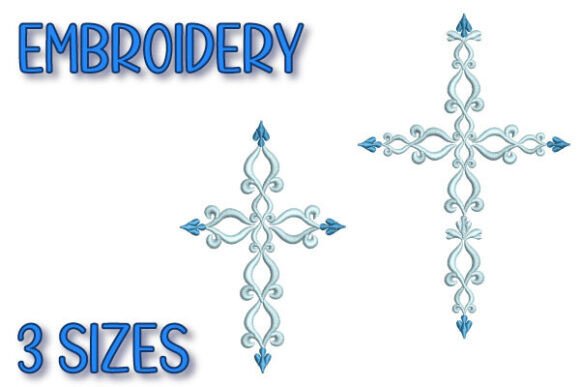
The intricate scrollwork surrounding the central cross gives this piece a distinct Baroque aesthetic. In the context of Religion and spiritual decor, this style resonates deeply with customers looking for something more substantial than a simple, modern icon. It feels decorative and timeless. When evaluating a design for a booth display, I look for pieces that stop traffic. The complexity of the lines in this embroidery file draws the eye. It invites closer inspection, which is exactly what you want when a potential customer is walking past your table. It does not look like a generic clip-art conversion; it looks like a thoughtfully crafted piece of art.
However, elegance comes with responsibility. Because the design features fine details, it requires the right substrate to shine. It is not a "throw it on anything" pattern. It demands respect in its application. If you are aiming for a soft, minimal look, this might be too bold. But if your brand identity leans toward classic, heirloom, or sophisticated styles, this design is a perfect fit.
Product Potential for Craft Fair Sellers
When preparing for a market day, I always categorize designs by their best product matches. Here is how I see the Baroque Cross Embroidery performing across various popular items:
- Tote Bags and Market Bags: A large hoop placement on a canvas tote creates a stunning focal point. The contrast of the intricate stitching against sturdy cotton canvas highlights the stitch density and precision. This makes for an excellent tote bag design that appeals to customers looking for durable, stylish everyday carry items.
- Aprons and Kitchen Textiles: For apron embroidery, placing this design on the bib or lower corner adds a touch of grace to functional wear. Similarly, tea towel embroidery benefits from the vertical nature of the cross. However, ensure the fabric is smooth enough to handle the detail without puckering.
- Home Decor and Pillows: This design shines on pillow covers. The symmetrical nature of the baroque scrollwork balances well on square cushions. It transforms a simple linen cover into a luxury home accessory, allowing you to charge a higher price point for your handmade product.
- Embroidered Patches: Creating an embroidered patch with this design is viable, but only if the hoop size is large enough to maintain clarity. Tiny details can get lost in small patches, so test thoroughly before committing to a batch.
Practical Production and Selling Points
From a production standpoint, repeatability is key. You need a design that looks consistent every time you run it. The Baroque Cross Embroidery appears to have clean pathing, which suggests it should stitch out reliably. However, because it is intricate, it is vital to check the stitch density. High-density areas can cause fabric pull or needle breaks if not managed correctly.
For Etsy sellers and digital creators, this design offers great versatility for printable mockup creation. The strong visual lines photograph beautifully, especially when using contrasting thread colors. A gold or cream thread on a navy or deep burgundy fabric creates a striking image for your online listings. Remember, in the digital space, your photo is the only way the customer can judge quality. A crisp, well-lit photo of this design can significantly boost buyer engagement.
When considering this as a craft fair product, think about the "glance test." Can a customer understand what it is from three feet away? Yes, the cross shape is unmistakable. Does it invite them to come closer? Yes, the scrollwork provides that secondary layer of interest. This dual-level appeal is powerful for sales.
Careful-Use Notes and Technical Considerations
While this design is beautiful, it is not without its challenges. As an experienced designer, I must highlight several areas where caution is needed:
- Fabric Texture: Avoid highly textured fabrics like thick terry cloth or rough burlap for this specific design. The tiny details of the baroque scrollwork may sink into the texture or become distorted. Smooth cotton, linen, or polyester blends are ideal.
- Curved Surfaces: Embroidering on caps requires careful hooping. The curved surface of a cap can distort intricate designs. If you attempt this on a hat, ensure you use a proper cap frame and consider simplifying the background elements if possible, though this design is fixed.
- Dark Fabrics: If stitching on dark fabric, ensure your thread has enough sheen or brightness to stand out. Matte threads may disappear. Also, watch for any underlay stitches showing through if the top stitching is not dense enough.
- Size Constraints: Do not shrink this design below its recommended minimum. The fine lines will merge, and the elegance will turn into a muddy blob. Always respect the intended scale of the artwork.
Designer’s Checklist for Success
Before you launch this as a small shop product or include it in your commercial embroidery lineup, follow these practical steps:
- Test on Scrap Fabric: Never skip this step. Run the design on the exact fabric you plan to sell. Check for puckering, thread breaks, and overall finish.
- Check Thread Contrast: Experiment with different color combinations. Monochromatic looks (e.g., white on white) can be subtle and classy, while high-contrast looks (gold on black) are bold and dramatic.
- Review Spacing and Hoop Size: Confirm the hoop size required. Ensure your machine can accommodate it. If you need to split the design, plan the join carefully, though single-hoop designs are always preferable for ease.
- Use the Right Stabilizer: Given the intricate nature, a cut-away stabilizer is likely best for garments to provide long-term support. For towels, a tear-away with a topping might be necessary to prevent sinking.
- Create Real Mockups: Take photos of the actual stitched item, not just digital renderings. Customers trust real photos more. Show the texture and the sheen of the thread.
- Confirm Licensing: Always verify the license terms of the digital embroidery file. Ensure you have the right to sell finished products made with this design. Most designers allow this, but it is your responsibility to check.
In conclusion, the Baroque Cross Embroidery is a strong contender for designers looking to elevate their design assets. It bridges the gap between traditional religious symbolism and high-end decorative art. By respecting its technical requirements and pairing it with the right products, you can create a finished product that stands out in a crowded market. Whether you are an Etsy seller updating your shop or a vendor prepping for a holiday fair, this design offers the sophistication needed to attract discerning buyers. Treat it with care, and it will reward you with sales.