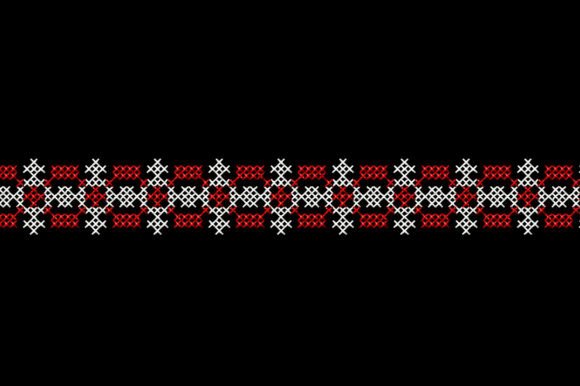
Review: Cross Stitch Folk Border Embroidery
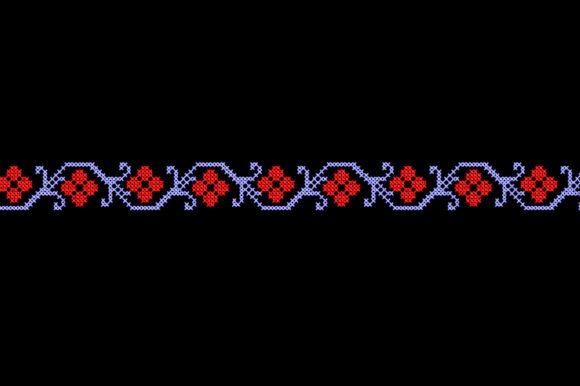
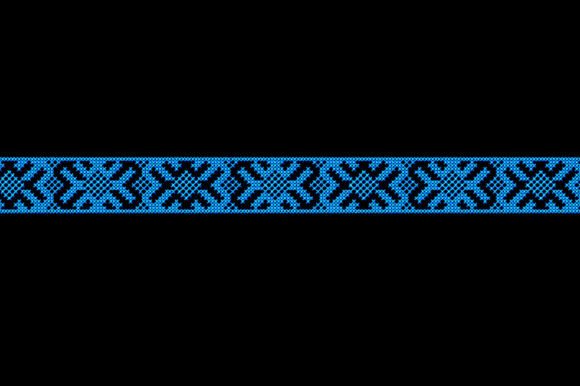
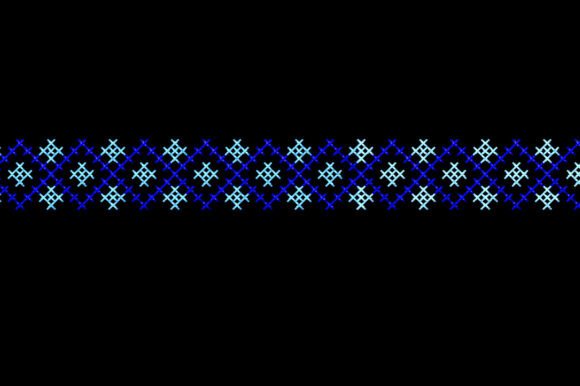
As an embroidery designer who spends countless hours digitizing and testing patterns for the holiday rush, I approach every new machine embroidery design with a critical eye. It is not just about whether the stitches look pretty on the screen; it is about how that design performs in the real world of seasonal sales. When I first loaded the Cross Stitch Folk Border Embroidery into my software, I was immediately struck by its nostalgic charm. Drawing inspiration from classic Ukrainian patterns, this intricate design elegantly unites folk art with modern digital precision, creating a piece that feels both timeless and fresh.
For those of us running small businesses, the holiday season is make-or-break. We need designs that stop the scroll on social media and compel customers to click "add to cart." This border design does exactly that. It exudes a cozy, rustic elegance that fits perfectly into the current trend of heritage-inspired home decor and apparel. Whether you are an Etsy seller looking to refresh your shop or a craft fair vendor planning your winter inventory, understanding the practical application of this pattern is key to maximizing your return on investment.
First Impressions: A Festive yet Timeless Aesthetic
The visual impact of the Cross Stitch Folk Border Embroidery is undeniable. It carries a spiritual and romantic tone, reminiscent of heirloom linens passed down through generations. The cross-stitch simulation is detailed enough to provide texture without becoming overly dense, which is crucial for maintaining the drape of fabrics. This design feels festive without being overtly commercial. It avoids the cliché of bright reds and greens, opting instead for a sophisticated palette that allows you, the creator, to customize the thread colors to match your brand identity.
When I envision this design in a seasonal collection, I see it working beautifully across a wide range of products. It is versatile enough to serve as a subtle accent on a premium pillow cover or as a bold statement on a tote bag. The folk art elements evoke a sense of warmth and tradition, which resonates deeply with buyers searching for meaningful handmade gifts during the holidays. It is not just a decoration; it is a conversation starter that adds emotional value to the finished product.
Strategic Product Applications for Holiday Sales
To truly leverage this digital embroidery file, you must think beyond standard applications. Here is how I would integrate this border into a high-converting holiday product line:
- Sweatshirt Embroidery: Place the border along the hem or cuffs of a neutral-toned sweatshirt. This creates a unique, high-end look that distinguishes your item from generic print-on-demand offerings. Ensure you use a cut-away stabilizer to support the weight of the garment.
- Kitchen Towel Embroidery: This is perhaps the most natural fit. A set of flour sack towels featuring this folk border makes for an incredible personalized gift. Buyers love items that elevate everyday chores into something special.
- Tote Bag Design: Use the border across the bottom third of a canvas tote. It adds structure and visual interest, making the bag suitable for both grocery runs and holiday gift carrying.
- Ornaments and Patches: If the hoop size permits, stitch this onto felt or linen to create standalone ornaments or embroidered patches. These are excellent low-cost add-ons for increasing average order value.
- Pillow Covers and Table Linens: For home decor enthusiasts, applying this border to napkins or cushion covers creates a cohesive tablescape for holiday gatherings.
Each of these applications taps into the desire for authentic, handcrafted quality. In a market flooded with mass-produced goods, your ability to offer a small shop product with such intricate detail builds customer trust and brand loyalty.
Navigating Technical Challenges and Fabric Choices
While the design is stunning, successful execution requires attention to technical details. As a designer, I must warn you about potential pitfalls. Cross-stitch simulations rely on the interplay of light and shadow created by the stitches. Therefore, fabric texture plays a significant role. Smooth, tightly woven cottons or linens will yield the crispest results. Avoid highly textured fabrics like heavy terrycloth for the main motif, as the loops can obscure the delicate cross-stitch effect.
Additionally, consider the stitch density. While this design is optimized for clarity, stitching on stretchy garments like jersey knits requires careful stabilization. Always test on a scrap piece of your actual fabric before committing to your final inventory. If you are using dark fabric, ensure your thread colors have enough contrast. Metallic threads can add a festive sparkle but may increase breakage rates; if you choose to use them, slow down your machine speed and use a larger needle eye.
Another consideration is the hoop size. Since this is a border design, you need to ensure your hoop accommodates the full width of the pattern without distortion. Check the specific dimensions provided with the file. If you are stitching on curved surfaces like caps, be aware that the rigid nature of a border design might not conform well to extreme curves unless properly digitized for that specific purpose.
Boosting Seasonal Appeal and Brand Consistency
Incorporating the Cross Stitch Folk Border Embroidery into your lineup does more than just add a new product; it enhances your brand's seasonal narrative. Holiday shoppers are looking for stories. They want to buy into a feeling of warmth, tradition, and care. This design facilitates that connection. When you create realistic mockups or printable mockup graphics for your social media, highlight the texture and the folk art origins. Explain the inspiration behind the Ukrainian patterns. This storytelling increases the perceived value of your commercial embroidery work.
Furthermore, this design supports brand consistency. If your shop focuses on rustic, natural, or heritage styles, this border reinforces that aesthetic. It allows you to create matching sets—such as a towel and an apron—which encourages bundle purchases. Bundling is a powerful strategy during the holiday season when customers are buying gifts for multiple people.
Practical Designer Notes for Success
Before you launch your holiday campaign using this design, keep these final tips in mind:
- Test Thread Colors: Always stitch a sample on both light and dark fabrics to verify visibility and contrast.
- Check Licensing: Confirm the commercial licensing terms included with the embroidery file. Ensure you are compliant regarding the number of physical items you can sell.
- Stabilizer Selection: Match your stabilizer to your fabric. Use tear-away for stable wovens and cut-away for knits to prevent puckering.
- Quality Control: Inspect each finished product for loose threads or skipped stitches. The intricate nature of cross-stitch designs demands high-quality finishing.
- Marketing Assets: Create high-resolution photos that show the detail of the stitches. Close-up shots perform exceptionally well on platforms like Instagram and Pinterest.
In conclusion, the Cross Stitch Folk Border Embroidery is a versatile and emotionally resonant addition to any seasonal collection. It bridges the gap between traditional folk art and modern consumer desires for authentic, handmade goods. By carefully considering fabric choices, stabilization, and product placement, you can transform this digital file into a best-selling handmade gift option that delights customers and boosts your holiday revenue. Embrace the nostalgia, respect the technique, and let this beautiful border elevate your craft this season.