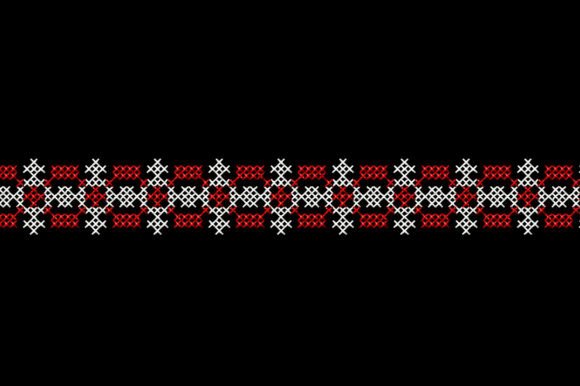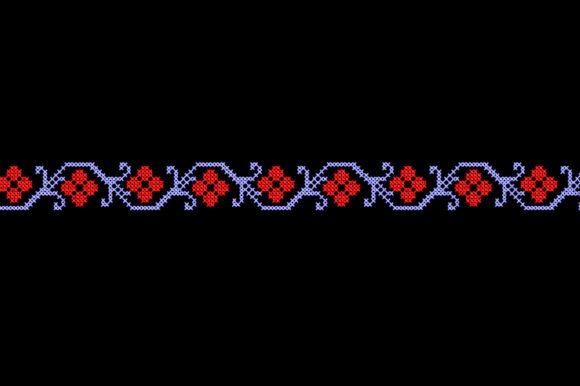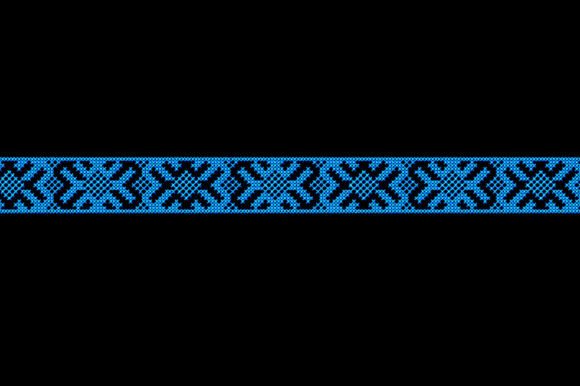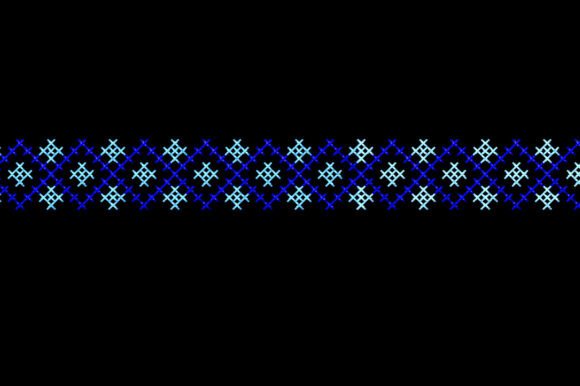
Vintage Cross Stitch Border Embroidery Review
As an embroidery designer who has spent countless weekends behind a craft fair table, I know that the difference between a browser and a buyer often comes down to visual impact and perceived quality. When I first loaded the Vintage Cross Stitch Border Embroidery design onto my machine, I was immediately struck by its nostalgic charm. This is not just another digital file; it is a tool for storytelling. Inspired by the rustic allure of folk ornamentation, this design captures the essence of handmade heritage, making it a perfect candidate for sellers looking to elevate their booth presence.
First Impressions: Rustic Charm Meets Modern Utility
The initial glance at this machine embroidery design reveals a aesthetic that is firmly rooted in the farmhouse and cottagecore trends that continue to dominate the handmade market. It feels quaint, decorative, and undeniably warm. For a craft fair seller, this mood is crucial. Customers are drawn to items that feel personal and timeless. The border style suggests versatility; it is not a loud, central graphic that demands all the attention, but rather a sophisticated frame that enhances the fabric it sits on. This subtlety is a strength, allowing the natural texture of linen or cotton to shine through while adding a layer of artisanal value.
Product Potential: Where This Design Shines
In my experience preparing for market days, knowing which products will carry a design best is half the battle. The Vintage Cross Stitch Border Embroidery is exceptionally well-suited for linear applications. Here is how I envision it performing across various craft fair product categories:
- Tea Towel Embroidery: This is arguably the strongest application. A border design naturally fits the hem of a kitchen towel. The rustic folk motif complements the utilitarian nature of linen towels, creating a high-value handmade product that appeals to home cooks and interior design enthusiasts alike.
- Tote Bag Design: Applying this border along the top edge or the bottom seam of a canvas tote adds a custom touch that mass-produced bags lack. It transforms a simple carrier into a statement piece, ideal for the eco-conscious shopper.
- Apron Embroidery: Similar to towels, aprons benefit from border accents along the bib or the waist tie. This design adds a professional, boutique finish that justifies a higher price point.
- Embroidered Patch: If digitized with a satin stitch border, this could work as a rectangular patch. However, the cross-stitch aesthetic might lose some clarity if scaled down too small, so careful testing is required.
- Pillow Covers: Framing the edge of a square pillow cover with this folk ornamentation creates a cohesive, elegant look that works well in living room displays.
Visual Appeal and Customer Attention
At a busy craft fair, you have seconds to catch a customer's eye. The Vintage Cross Stitch Border Embroidery aids in this by providing a consistent visual language across your booth. When used on multiple items—towels, bags, and pouches—it creates a cohesive brand identity. The "rustic allure" mentioned in the description translates to a tactile quality that invites touch. Customers love to run their fingers over embroidery; the texture of the stitches combined with the familiar cross-stitch look triggers a sense of comfort and nostalgia. This emotional connection is what drives engagement and ultimately, sales.
For the Etsy seller or online boutique owner, this design photographs beautifully. Borders create natural leading lines in product photography, drawing the viewer’s eye across the image. Whether you are creating a printable mockup for your digital listings or shooting real-life samples, the linear nature of the design ensures it looks structured and intentional, avoiding the cluttered look that sometimes plagues larger, central motifs.
Practical Production and Selling Points
From a production standpoint, efficiency is key. One of the advantages of a border design is its repeatability. Once you have hooped your fabric correctly, you can run this design on multiple items with minimal setup changes. This makes it ideal for batch production, a necessity for keeping up with demand during the holiday season or peak market times. As a small shop product, it allows you to offer customization—such as choosing different thread colors to match seasonal palettes—without changing the core design asset.
However, there are critical technical considerations. Since the description notes it is "tailored to perfection," we must assume the digitizing is clean, but you must verify the stitch density. Cross-stitch styles can sometimes be dense if not optimized. High density on lightweight fabrics like voile or thin cotton can cause puckering. Therefore, using the right stabilizer is non-negotiable. I recommend a cut-away stabilizer for items that will be washed frequently, like tea towels and aprons, to ensure the design remains stable and does not distort over time.
Careful-Use Notes and Technical Constraints
While this digital embroidery file is versatile, it is not without its limitations. Here are specific scenarios where you should proceed with caution:
- Fabric Texture: On highly textured towels, such as waffle weave or thick terry cloth, the finer details of the folk ornamentation may get lost. Test on a scrap piece first to ensure the stitches penetrate the pile effectively.
- Curved Surfaces: Applying a straight border to a curved surface, like the front panel of a cap, requires advanced hooping techniques or specialized caps frames. If the design is rigid, it may warp on curved seams.
- Dark Fabric: If you plan to stitch on dark navy or black fabric, ensure your thread colors have enough contrast. Vintage palettes often use muted tones, which might blend in too much on dark backgrounds. Consider using a lighter underlay or adjusting thread choices for visibility.
- Scale and Clarity: Do not shrink this design beyond its intended limits. Tiny cross-stitch elements can become indistinguishable blobs if the hoop size is too small relative to the detail. Always check the minimum recommended size provided with the file.
Designer’s Checklist for Commercial Success
Before you list this as a commercial embroidery product or take it to your next market, follow these steps to ensure quality control:
- Test on Scrap Fabric: Never run a new design directly on your final product. Use the same fabric type and weight to check for tension issues.
- Check Thread Contrast: Ensure the color palette enhances the "vintage" feel without looking muddy. Earth tones, mustard yellows, and deep reds often work well with folk styles.
- Review Spacing: Confirm that the border length fits your standard product dimensions. You may need to duplicate the pattern or adjust the spacing if your tote bags are wider than the design file.
- Confirm Licensing: The description mentions it is tailored for products, but always double-check the license terms included with the design assets. Ensure you have the right to sell finished products made with this file.
- Create Real Mockups: While digital mockups are useful for planning, having one physically embroidered sample on your table proves the quality to skeptical buyers.
In conclusion, the Vintage Cross Stitch Border Embroidery is a strong contender for any maker focusing on rustic, farmhouse, or heritage-style goods. It offers the balance of aesthetic appeal and production practicality that successful creative entrepreneurs need. By understanding its strengths in linear applications and respecting its technical requirements, you can turn this single design into a cornerstone of your product line. Whether you are an experienced Etsy seller or a newcomer to the craft fair circuit, this design provides the decorative elegance necessary to stand out in a crowded marketplace.