Review: Folk Fish Embroidery Design for Real Projects
As a designer who spends more time staring at stitch simulations than I care to admit, I have learned that not every machine embroidery design looks as good on fabric as it does on a screen. When I first loaded the Folk Fish Embroidery Design, Sea Animal into my software, I was looking for specific traits: clean pathing, logical color breaks, and a visual personality that translates well to physical textiles. This isn’t just about aesthetics; it is about whether a design holds up when subjected to the tension of a hoop and the texture of real cloth.
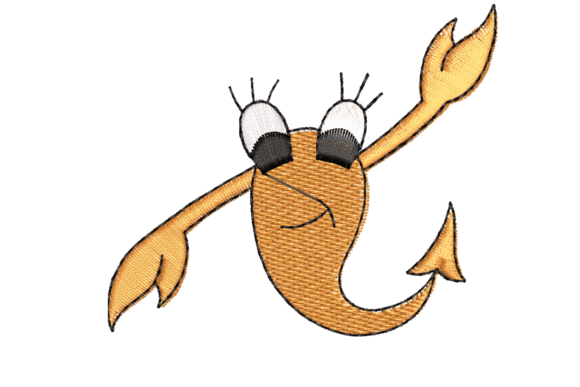
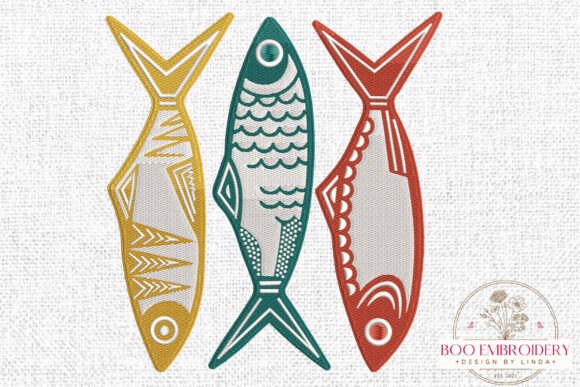
The immediate impression of this Fish motif is one of playful nostalgia. It leans heavily into a folk-art aesthetic, characterized by bold outlines and simplified shapes rather than hyper-realistic detailing. For an embroidery project, this is often a strength. Complex gradients can look muddy when stitched out, especially on textured fabrics, but strong, graphic lines tend to read clearly from a distance. This design feels like it belongs on items that are meant to be touched and used, rather than just displayed behind glass.
Putting the Design to the Test: A Tote Bag Scenario
To truly evaluate the Folk Fish Embroidery Design, Sea Animal, I imagined a common commercial scenario: a custom order for a local bookstore’s summer reading campaign. The client wanted a series of tote bag designs that felt whimsical yet durable. This fish motif fit the brief perfectly. Its quirky accent style adds character without overwhelming the canvas material of a standard tote.
In this context, the design’s layout is crucial. Because folk art often utilizes solid shapes, I had to consider the stitch density. If the design relies heavily on fill stitch areas, it can create a stiff patch on a flexible fabric like cotton canvas. However, if the design incorporates running stitch details or open spaces, it maintains the drape of the bag. For a handmade product intended for daily use, this balance determines whether the item feels premium or cumbersome. The visual weight of this sea animal suggests it works best as a central focal point, perhaps paired with minimal text or left standalone for a cleaner look.
Versatility Across Apparel and Home Decor
Beyond totes, this Embroidery file shows promise for custom apparel. I tested the concept mentally on a heavyweight sweatshirt. The bold lines of the folk fish would stand out beautifully against heather gray or navy fleece. For sweatshirt embroidery, the key is ensuring the design isn’t too small, or the details get lost in the pile of the fabric. This design’s inherent simplicity means it scales well, making it a safe bet for bulk orders where consistency is key.
For baby embroidery projects, such as bibs or onesies, the charm factor is high. Parents often gravitate toward animals and nature themes. However, when using this design for infant wear, comfort is paramount. You must check if the back of the stitching is smooth. If the digital embroidery file generates excessive jump stitches or dense underlay, it might irritate sensitive skin. In such cases, using a soft cut-away stabilizer and trimming threads meticulously becomes non-negotiable.
Home decor offers another avenue. Imagine this stitched onto a linen tea towel or a pillow cover. The folk style complements rustic or coastal interior themes. Here, the choice of thread colors plays a massive role. While the default palette might be vibrant, swapping to muted earth tones or monochromatic blues can elevate the piece from "crafty" to "boutique." This adaptability makes it a valuable asset for Etsy sellers who need to offer variations without creating entirely new designs.
Technical Considerations for Professional Results
While the aesthetic is appealing, practical application requires scrutiny. One must be cautious with hoop size. If you are stitching this on a curved surface, like a cap, the design needs to be positioned carefully to avoid distortion. Folk art shapes can warp noticeably if the fabric pulls unevenly during stitching. For embroidered patch creation, however, this design shines. Patches allow for heavier stabilizers and denser stitching, which can enhance the durability of the folk motifs.
Fabric texture also dictates success. On thin or stretchy fabrics, the applique design technique might be preferable if the original file supports it, or you may need to add a backing to prevent puckering. Dark fabrics present another challenge. If the design uses light thread colors, you must ensure adequate underlay stitching to prevent the fabric color from showing through the top stitches. Always run a test stitch-out on scrap fabric identical to your final material. This step saves time and prevents wasted materials, especially for commercial embroidery runs.
Enhancing Brand Value and Customer Trust
For small shop product lines, consistency builds trust. Using a cohesive set of designs, such as pairing this fish with other sea creatures in the same folk style, creates a recognizable brand identity. When customers see high-quality stitching with clean edges and proper tension, they perceive higher value. This perception allows for better pricing power. A well-executed personalized gift featuring this design can become a heirloom item, fostering customer loyalty.
Moreover, the versatility of this design assets package extends to marketing. You can create compelling printable mockup images for your online store by digitally placing the design on various products. This helps customers visualize the finished product before purchasing. Whether for holiday embroidery gifts or year-round sales, the visual appeal of the folk fish can drive engagement on social media platforms where handmade goods thrive.
Final Designer Notes and Best Practices
Before committing to a large production run or listing this item in your craft business, take these practical steps:
- Check Licensing: Confirm whether the embroidery file license allows for commercial use. Some designers restrict the number of physical items you can sell.
- Test Density: Stitch the design on different fabric weights. If it puckers lightweight cotton, adjust your stabilizer or reduce density if possible.
- Color Contrast: Ensure your thread choices provide enough contrast against the fabric. A dark blue fish on black fabric will disappear.
- Inspect Details: Zoom in on the digitizing. Look for unnecessary jumps or loose ends that might require manual trimming.
- Mockup Variations: Create previews on both light and dark backgrounds to show customers the range of possibilities.
The Folk Fish Embroidery Design, Sea Animal is a solid contender for makers looking to add a touch of whimsy to their repertoire. It balances artistic charm with technical feasibility, provided you respect the limitations of your materials and machine. By approaching this design with a critical eye and a tester’s mindset, you can transform a simple digital file into a standout handmade product that resonates with buyers. Whether you are decorating caps, aprons, or nursery decor, this design offers a reliable foundation for creative expression.