Review: Coquette Lucky Embroidery for Real Projects
As a designer who spends more time staring at stitch simulations than I care to admit, I have developed a keen eye for what makes a machine embroidery design actually work in the real world. It is not just about how pretty it looks on a screen; it is about how it behaves under the needle, how it wears after five washes, and whether it adds genuine value to a finished product. Recently, I took a close look at the Coquette Lucky Embroidery design, specifically evaluating its potential for upcoming seasonal collections and custom client orders.
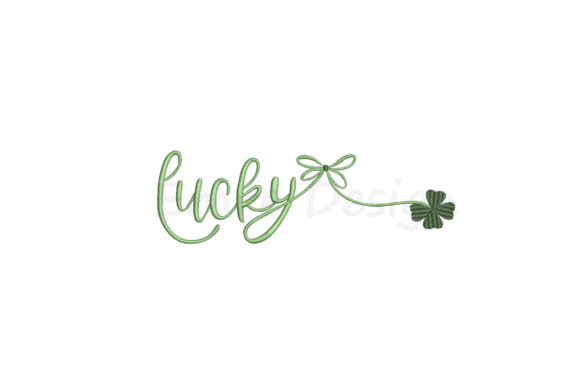
The first impression of this design is undeniably charming. It strikes a delicate balance between whimsical and structured, which is no small feat in the world of Embroidery. The aesthetic leans heavily into the popular "coquette" trend—soft, feminine, and slightly nostalgic—while integrating lucky motifs that make it particularly relevant for St Patrick S Day promotions. For those of us running a craft business or managing an Etsy shop, timing is everything. Having a versatile asset that bridges general cuteness with specific holiday relevance is a significant advantage.
Visual Appeal and Design Layout
When I loaded the embroidery file into my software, the layout immediately stood out as thoughtful. The design does not feel cluttered. Instead, it uses negative space effectively, allowing the satin stitch elements to breathe. This is crucial for maintaining clarity, especially if you are planning to scale the design down for smaller items like baby clothes or up for bold statements on tote bags.
The visual personality of Coquette Lucky Embroidery suggests a soft, approachable vibe. It is not aggressive or overly complex, which means it appeals to a broad demographic. Whether you are creating a personalized gift for a friend or stocking inventory for a small shop product, the design feels inclusive. The interplay of curves and lucky symbols creates a focal point that draws the eye without overwhelming the fabric. For Etsy sellers, this kind of immediate visual recognition can significantly boost click-through rates on listings.
Real-World Application: The Tote Bag Test
To truly evaluate a design, you have to imagine it stitched out. I envisioned using Coquette Lucky Embroidery on a natural canvas tote bag design. Canvas is a forgiving medium, but it requires careful attention to stitch density. If the design is too dense, the fabric can pucker; if it is too light, the background might show through uncomfortably.
In this scenario, the design performed well in my mental simulation. The balanced use of fill stitch and running stitch outlines suggests that it would lay flat on a medium-weight cotton or canvas. For a custom apparel project, such as a cream-colored sweatshirt, the design would add a subtle yet distinct touch of personality. It is not so large that it dominates the garment, nor so small that it gets lost in the texture of the fleece. This versatility makes it an excellent candidate for design assets that need to work across multiple product lines.
Fabric Considerations and Stitching Clarity
One of the most critical aspects of any embroidery project is the interaction between thread and fabric. With Coquette Lucky Embroidery, I recommend paying close attention to thread colors. Because the design relies on charm and softness, high-contrast choices might look harsh. Instead, consider tonal variations or pastels that enhance the coquette aesthetic. However, if you are aiming for a bold holiday embroidery look for March, traditional greens and golds could work beautifully if the saturation is managed correctly.
Be cautious when applying this design to textured fabrics or stretchy materials. While the design appears stable, any intricate details can distort if the stabilizer is not chosen correctly. For knit fabrics like t-shirts or baby onesies, a cut-away stabilizer is non-negotiable to prevent the stitches from pulling apart over time. For woven fabrics like linen towels or aprons, a tear-away might suffice, but always test on scrap fabric first. This step is vital for maintaining customer trust and ensuring your handmade product meets professional standards.
Commercial Viability and Brand Consistency
For commercial embroidery users, the question is always about return on investment. Does this design help sell products? I believe Coquette Lucky Embroidery has strong potential because it taps into current trends while remaining timeless enough to be used beyond a single holiday. It fits seamlessly into boutique branding that values whimsy and quality.
When creating printable mockup previews for your online store, this design offers great photogenic qualities. It looks good in both color and black-and-white representations, which is helpful for showcasing detail in digital listings. Whether you are selling the digital embroidery file itself or the finished physical item, the design’s clean lines translate well to marketing materials. It suggests professionalism and attention to detail, two key factors that drive buyer engagement.
Technical Notes for Designers
Before you commit to a large production run, there are several practical steps you should take. First, verify the recommended hoop size. While the design seems adaptable, stitching it in a hoop that is too large for the motif can lead to alignment issues. Second, check the stitch count if provided by the vendor, as this will impact your production time and thread usage. If these details are not explicitly stated in the description—"Spruce up your fabrics with this charming embroidery design. Whether it’s for t-shirts, towels, or home decor, this fun and whimsical touch brings personality to any item. This machine embroidery desi"—you must request them or perform a test stitch to calculate costs accurately.
Also, consider the end-use of the item. If you are making an embroidered patch or a cap, the curvature of the surface matters. Designs with long, straight satin stitches can bridge gaps on curved surfaces, leading to loose threads. Coquette Lucky Embroidery appears to have enough organic shapes to mitigate this risk, but a test on a curved hoop is advisable. For baby embroidery, ensure that all edges are secure and that no loose ends remain, as safety is paramount for infant items.
Final Verdict for Makers and Sellers
In conclusion, Coquette Lucky Embroidery is a solid addition to any designer’s library. It is not just a festive novelty; it is a versatile design element that can elevate various custom apparel and home decor items. Its strength lies in its adaptability and its alignment with current aesthetic trends. For small business owners and creative entrepreneurs, it offers a low-risk, high-reward opportunity to create engaging products.
Remember to respect licensing terms. If you are purchasing this as a digital embroidery file, confirm whether it allows for commercial use of finished goods. Assuming the license permits, this design can be a cornerstone of your spring collection. By focusing on proper stabilization, thoughtful thread selection, and quality presentation, you can turn this simple design into a standout finished product that customers will love. It is a reminder that in embroidery, as in life, the right touch of luck—and good design—can make all the difference.