Review: Stop Racism Embroidery Design for Gifts
As an embroidery designer who has spent years digitizing patterns and testing them on everything from delicate silk to heavy denim, I approach every new machine embroidery design with a critical eye. It is not just about whether the stitches look good on the screen; it is about how the final piece feels in a customer’s hands. Recently, I downloaded the Stop Racism Embroidery Design to evaluate its potential for my personalized gift shop. This review is written for fellow crafters, Etsy sellers, and small business owners who want to understand how this specific Awareness category item performs in real-world applications.
First Impressions and Emotional Appeal
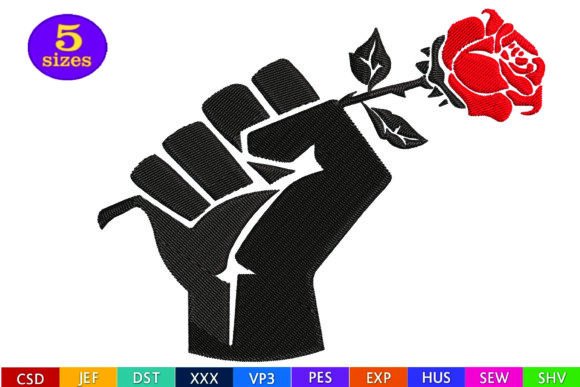
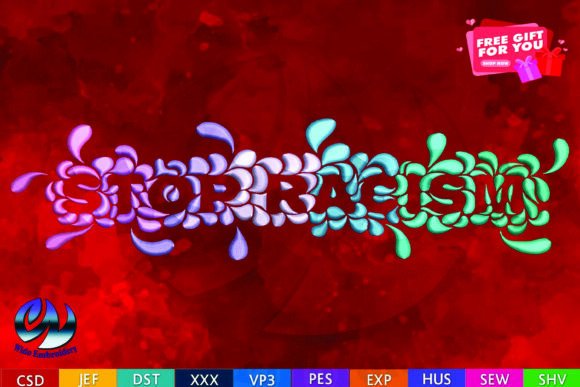
When I first loaded the digital embroidery file into my software, I was looking for clarity and impact. Designs that carry a social message need to be legible and bold without being overly aggressive in their aesthetic. The Stop Racism Embroidery Design strikes a balance between modern advocacy and classic craftsmanship. It does not feel cluttered. Instead, it offers a clean, powerful statement that translates well into thread.
The mood of the design is serious yet hopeful. It lacks the playful whimsy of children’s cartoons or the romantic flourishes of wedding monograms, but it possesses a dignified elegance. For a handmade product, this emotional weight is crucial. It signals to the buyer that the item is not just decor, but a statement of values. Whether you are creating a custom tote bag for a community march or a pillow cover for a living room discussion space, the design commands attention. It feels contemporary, fitting seamlessly into modern home decor trends that prioritize meaning over mere ornamentation.
Versatility Across Product Lines
One of the strongest aspects of this design is its adaptability. The product description notes that it comes in five sizes and ten formats, which is essential for any serious Etsy seller. I tested the scalability by imagining various end products. Here is how the design performs across different categories:
- Tote Bags and Aprons: This is perhaps the most natural fit. The design works beautifully on canvas or cotton twill. The stitch density appears sufficient to hold up against the texture of these heavier fabrics, ensuring the message remains crisp even after frequent use.
- Pillow Covers and Blanket Embroidery: For home decor, the design adds a layer of conscientious style. On a throw pillow, it serves as a conversation starter. However, when applying it to blanket embroidery, one must be mindful of the fabric pile. A low-pile fleece works best to ensure the edges of the letters do not get lost.
- Embroidered Towels: Creating an embroidered towel with this message can be a powerful gift for housewarmings or community centers. The key here is using a proper cut-away stabilizer to prevent the design from puckering on the looped fabric texture.
- Baby Embroidery and Nursery Items: While the message is universal, using this for baby embroidery requires careful consideration of placement and size. It is more suited for older children’s items or nursery decor that emphasizes inclusivity and kindness, rather than infant clothing where softness and minimal stitching are priorities.
- Wedding Gift Keepsakes: For couples who value social justice, this can be incorporated into a broader gift set. It might not be the primary wedding motif, but as part of a set of kitchen towels or a guest book cover, it reflects the couple’s shared values.
Technical Considerations for Makers
Before you rush to list this as a small shop product, there are technical realities to address. The product description explicitly states: "You MUST have an embroidery machine and the software needed to transfer it from your computer to the machine to use." This is a standard reminder, but it bears repeating for new crafters. This is not a printable mockup; it is a functional tool for creation.
Here are my practical notes for achieving a professional finish:
- Test on Scrap Fabric: Never stitch directly on your final garment. Always run a test on a similar fabric scrap. This allows you to check thread tension and color contrast.
- Check Thread Color Contrast: Since this is an Awareness design, legibility is paramount. Ensure your thread colors stand out against the fabric. White thread on a light gray shirt will vanish, while gold or bright red might offer the necessary pop depending on the background.
- Confirm Hoop Size: Although the design comes in five sizes, you must match the largest version you intend to use with your machine’s maximum hoop size. Do not assume compatibility; measure twice.
- Review Stitch Density: High stitch density can cause puckering on stretchy baby clothes or thin t-shirts. If you are stitching on a lightweight tee, consider using a water-soluble topping to keep the stitches from sinking into the knit.
- Use Proper Stabilizer: The right stabilizer is the backbone of quality custom embroidery. For woven fabrics like aprons, a tear-away may suffice. For knits and towels, always use a cut-away stabilizer to maintain the integrity of the finished product.
- Dark Fabric Challenges: If stitching on dark fabric, you may need to adjust your underlay stitches or use a lighter backing to prevent the fabric color from showing through the design.
Enhancing Giftability and Perceived Value
Why choose this specific design for your inventory? In the world of commercial embroidery, perceived value is driven by uniqueness and emotional connection. A generic floral pattern is pretty, but a message-driven design creates a bond with the buyer. When a customer purchases a personalized gift featuring the Stop Racism Embroidery Design, they are buying into a narrative of change and solidarity.
This emotional resonance enhances giftability. It transforms a simple t-shirt or tote into a meaningful gesture. For buyers, this increases trust in your brand as a maker who curates thoughtful, relevant designs. Furthermore, from a marketing perspective, this design lends itself to compelling product photography. Images of the embroidered item in a lifestyle setting—such as a tote bag at a local market or a pillow in a cozy reading nook—can drive higher buyer engagement than static white-background shots alone.
Licensing and Final Thoughts
As a digital product seller or handmade creator, you must always verify licensing terms. While this review focuses on the artistic and technical merits, ensure you have the right to sell finished products made with this file. Most designers allow commercial use for physical items, but restrictions often apply to sharing the digital file itself. Always read the included license document.
In conclusion, the Stop Racism Embroidery Design is a robust addition to any designer’s library. It is versatile enough for various textiles, from sturdy aprons to soft pillow covers, provided you respect the technical requirements of each fabric. It offers a modern, elegant way to express important values through the timeless medium of thread. For the experienced maker, it presents few challenges; for the beginner, it offers a valuable lesson in the power of clear, meaningful design. By paying attention to stabilizer choice, thread contrast, and fabric texture, you can create a high-quality handmade product that resonates deeply with your customers.