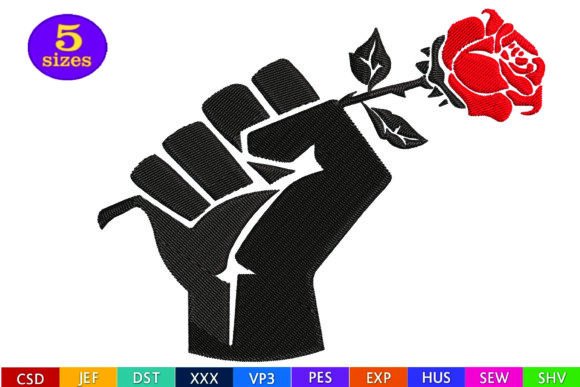
Reviewing the Black History Embroidery Design
As an embroidery designer who has spent countless hours behind a sewing machine and even more time standing behind a booth at weekend craft fairs, I know that not every digital file translates into a bestseller. When I first pulled up the Black History Embroidery Design, my immediate goal was to determine if it had the visual weight and emotional resonance required for the current market. In the world of handmade goods, particularly within the Awareness category, customers are looking for more than just decoration; they are looking for connection, pride, and statement pieces that spark conversation.
First Impressions: Boldness Meets Versatility
The first thing that struck me about this design is its adaptability. The description notes that it is a logo applique, which is a critical detail for any serious Etsy seller or boutique maker. Applique designs are generally faster to stitch than full-fill satin or tatami stitches, meaning you can produce more units in less time. This efficiency is vital when preparing inventory for a busy holiday market or a pop-up shop. The aesthetic feels modern and respectful, avoiding overly rustic or farmhouse clichés in favor of a clean, premium look that appeals to a broad demographic.
Because the design comes in five sizes and ten formats, it offers the flexibility needed for a diverse product line. Whether you are running a small home-based business or a larger commercial embroidery operation, having multiple format options ensures compatibility with various machines, from single-needle home units to multi-needle industrial setups. You MUST have an embroidery machine and the software to convert or view these files, but once loaded, the potential for customization is high.
Product Applications: Where This Design Shines
To truly evaluate a machine embroidery design, you have to imagine it on actual goods. I mentally staged a craft fair table to see where this piece would generate the most revenue. Here is how I see it performing across different categories:
- Tote Bags and Market Bags: This is arguably the strongest application. A canvas tote with a bold Black History motif serves as both a functional item and a walking billboard for the wearer’s values. The applique style sits flat against the fabric, preventing the bag from becoming bulky or difficult to fold.
- Aprons and Kitchen Textiles: For tea towel embroidery or chef aprons, the design adds a touch of cultural pride to everyday items. However, care must be taken with fabric texture. Thick, waffle-weave towels can sometimes distort small details, so testing on smooth cotton is recommended.
- Apparel and T-Shirts: The description mentions it looks great on clothes. For t-shirts, the applique technique is superior because it reduces the weight of the stitch-out, keeping the garment breathable and comfortable. It works equally well on denim jackets or hoodies for a heavier, winter-ready handmade product.
- Quilt Blocks and Home Decor: Incorporating this into quilt blocks allows quilters to create heritage pieces. It also translates well to pillow covers, where a larger hoop size can showcase the full breadth of the design without crowding.
- Embroidered Patches: If you stabilize correctly, this design can be stitched out as a standalone patch. Patches are excellent low-cost impulse buys at craft fairs, allowing customers to add the design to existing jackets or bags.
Production Realities and Technical Considerations
While the artistic merit is clear, the practical side of production requires scrutiny. As a designer, I always advise checking the stitch density before committing to a large batch. Applique designs typically have lower density than full-coverage fills, which is good for speed but requires precise cutting of the fabric layers. If the cut lines are too close to the tack-down stitches, you risk fraying edges that look unfinished.
Another critical factor is the hoop size. Since the design comes in five sizes, you must match the specific file version to your hoop. Attempting to scale a design significantly beyond its intended dimensions can lead to distorted proportions or stitching errors. Always use the size that closest matches your desired finished dimensions.
Stabilizer choice is non-negotiable. For stretchy fabrics like t-shirt jersey, a cut-away stabilizer is essential to prevent puckering. For woven fabrics like tote bags or aprons, a tear-away may suffice, but given the applique nature, ensuring the base fabric does not shift during the tack-down stitch is paramount. I recommend using a temporary spray adhesive or hooping the fabric with a water-soluble topping if you are working with textured materials like towels.
Visual Appeal and Customer Engagement
In a crowded craft fair aisle, visual clarity is king. The Black History Embroidery Design needs to be understood at a glance. Because it is an Awareness-themed piece, the imagery should be recognizable and impactful. High contrast between the thread colors and the base fabric is essential. For example, stitching bright gold or vibrant red threads on a black or navy background creates a striking look that draws the eye from several feet away.
Photography plays a huge role in online sales. When creating your printable mockup or listing images for your digital store, ensure the lighting highlights the texture of the applique fabric and the neatness of the satin border stitches. A well-lit photo that shows the quality of the finish can justify a higher price point for your finished product.
Strategic Advice for Sellers
If you are planning to sell items made with this digital embroidery file, consider the following steps to maximize your success:
- Test on Scrap Fabric: Never stitch your first unit on your final product. Run a test on similar fabric to check for registration issues between the cut fabric and the border stitch.
- Check Thread Contrast: Ensure your thread colors complement the applique fabric. Poor color choices can make the design look muddy or hard to read.
- Review Spacing and Density: Look closely at the design on your machine screen. Are there areas where stitches are too dense for the fabric? Adjust tension if necessary.
- Create Real Mockups: Instead of relying solely on digital renderings, stitch one sample and photograph it on a real person or in a realistic setting. This builds trust with buyers.
- Confirm Commercial Licensing: Before selling any commercial embroidery products, verify the license terms included with the download. Most designers allow physical sales but restrict the resale of the digital file itself.
Final Verdict
The Black History Embroidery Design is a strong contender for any maker looking to expand their Awareness collection. Its applique structure makes it efficient for batch production, while its thematic relevance ensures it resonates with customers seeking meaningful small shop products. By paying attention to fabric choice, stabilizer selection, and thread contrast, you can transform this digital asset into a high-quality, profitable line of goods. Whether you are an experienced Etsy seller or a newcomer to the craft fair circuit, this design offers the versatility and visual impact needed to stand out in a competitive market.