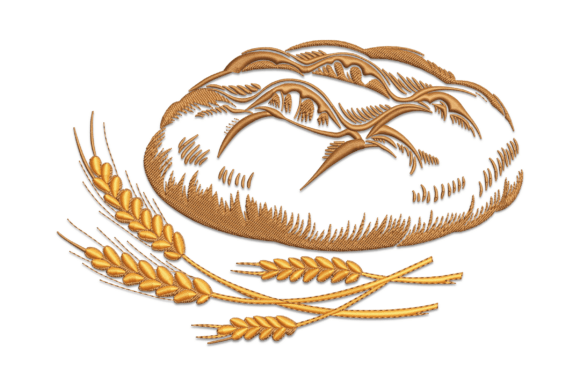
Review: Round Bread Embroidery for Kitchen Projects
As an embroidery designer who spends countless hours digitizing and stitching out designs for clients, I have learned that not every digital download translates well into a high-quality finished product. When I first encountered Round Bread Embroidery on Creative Fabrica, I was immediately drawn to its rustic charm. It promises an elegant bread and wheat motif, which is a timeless staple in the world of kitchen decor and bakery-themed branding. However, aesthetic appeal is only half the battle. The real question for any serious crafter or small business owner is whether this design holds up under the needle during actual production.
In this review, I am evaluating Round Bread Embroidery from the perspective of a professional preparing it for real-world use. I considered how it would perform on various substrates, from sturdy canvas tote bags to softer apron fabrics, and whether it offers the versatility needed for commercial embroidery projects. If you are an Etsy seller, a boutique owner, or a hobbyist looking to elevate your handmade gifts, understanding the technical nuances of this design is crucial before you hit the download button.
First Impressions: Visual Mood and Stitching Personality
The visual mood of Round Bread Embroidery is warm, inviting, and distinctly artisanal. In an era where minimalism often dominates design trends, there is a growing demand for motifs that evoke comfort and tradition. This design captures that essence perfectly. The combination of a round loaf and wheat stalks suggests freshness and homemade quality, making it an ideal choice for anyone targeting the "cottagecore" or farmhouse aesthetic.
From a technical standpoint, the design appears to balance decorative appeal with stitch efficiency. The wheat elements likely utilize a mix of satin stitch for the stems and fill stitch for the grain heads, creating texture without excessive bulk. The bread itself seems to rely on clean lines and subtle shading to define its shape. For a machine embroidery design, this balance is critical. Too much density can cause puckering, especially on lighter fabrics, while too little detail can make the design look flat and unprofessional. The initial preview suggests a thoughtful approach to stitch density, aiming for a crisp look that remains soft to the touch.
Real-World Application: Where This Design Shines
When planning my next batch of products, I looked at where Round Bread Embroidery could add the most value. Its primary category is Food, but its application extends far beyond just labeling a jar of jam. Here is how I envision this embroidery file performing in various commercial and personal projects:
- Kitchen Linens and Aprons: This is the most natural fit. Embroidering this motif on a linen apron or a set of cotton kitchen towels creates an instant heirloom feel. The design’s elegance complements the functional nature of these items, turning everyday tools into decorative pieces.
- Tote Bag Design: Canvas tote bags are a staple for farmers' markets and bakeries. A well-stitched Round Bread Embroidery on a neutral-toned bag serves as excellent branding for small food businesses or as a charming accessory for grocery shoppers.
- Custom Apparel and Sweatshirts: For those offering custom apparel, this design works beautifully on the chest pocket area of a denim shirt or the center of a crewneck sweatshirt. Sweatshirt embroidery requires careful attention to stabilizer choice to prevent sinking, but the rounded shapes of this design should lay flat if executed correctly.
- Handmade Gifts and Nursery Decor: While primarily a food motif, the wheat element adds a natural, organic touch that fits well in nursery decor or as part of a housewarming gift set. It pairs nicely with other botanical designs for a cohesive collection.
Technical Considerations for Professional Results
Downloading a digital embroidery file is easy, but achieving a professional finish requires skill and preparation. Before committing to a large order, I always recommend a rigorous testing phase. Here are the practical factors I considered when working with Round Bread Embroidery:
Fabric Selection and Stabilizer: The success of any embroidery project hinges on the relationship between the fabric and the stabilizer. For textured fabrics like waffle-weave towels, a cut-away stabilizer is essential to support the stitches and prevent distortion. If you are stitching on stretchy fabric for a t-shirt or cap, ensure you use a hoop frame or strong adhesive stabilizer to keep the material taut. Dark fabric presents another challenge; you must check thread color contrast carefully. Lighter threads may require an underlay or a backing layer to ensure the design pops against deep navy or black materials.
Hoop Size and Placement: One of the advantages mentioned in the product description is that it includes multiple sizes. This is a significant benefit for versatility. However, you must confirm hoop size compatibility with your specific machine. Smaller hoops may require splitting the design or choosing a smaller variant, which could impact the legibility of finer details. Always measure your intended placement area on the finished product, such as the curved surface of a cap or the limited space on a pocket, to ensure the design fits proportionally.
Stitch Density and Texture: Dense stitch areas can create stiffness, which is undesirable for items like baby blankets or soft apparel. Inspect small details after stitching a test sample. If the wheat heads feel too rigid, you might need to adjust your tension settings or choose a lighter weight thread. Conversely, if the satin stitch columns are too wide, they may snag easily. A test run on scrap fabric allows you to identify these issues before ruining expensive final materials.
Enhancing Product Value and Brand Consistency
For creative entrepreneurs and Etsy sellers, the choice of design assets directly influences buyer trust and perceived value. Round Bread Embroidery offers a polished look that can elevate a simple item into a premium product. When customers see clean, well-defined stitching, they associate it with quality craftsmanship. This perception allows for higher pricing margins and better customer engagement.
Moreover, consistency in visual appeal is key to building a recognizable brand. If your shop specializes in bakery-themed items or rustic home goods, using a cohesive set of designs helps establish your identity. This design can be paired with complementary fonts or other food-related motifs to create bundled offerings, such as a "Baker’s Set" including an apron, towel, and tote bag. High-quality product photography of the stitched item further enhances this effect, showcasing the texture and depth of the embroidery to potential buyers online.
Final Verdict and Practical Advice
Is Round Bread Embroidery worth adding to your library? Based on its versatile aesthetic and suitability for popular niche markets like kitchen decor and bakery branding, the answer is yes, provided you approach it with technical diligence. It is not just a pretty picture; it is a functional design asset that, when handled correctly, can drive sales and delight customers.
Before you begin your next commercial embroidery project, take these final steps:
- Check File Details: Review the Creative Fabrica product page to confirm the included file formats and ensure they are compatible with your embroidery machine software.
- Verify Licensing: Understand the license terms clearly. While many Creative Fabrica embroidery designs allow for commercial use of finished products, always double-check the specific agreement to protect your business.
- Test Thoroughly: Never skip the test stitch. Use scrap fabric similar to your final material to check thread colors, stitch density, and registration.
- Mockup Your Products: Create printable mockups or digital previews to see how the design looks on different colored backgrounds before committing to production.
In conclusion, Round Bread Embroidery is a strong contender for designers looking to expand their food and home decor collections. It bridges the gap between traditional charm and modern application, offering a reliable option for everything from personalized gifts to boutique merchandise. By paying attention to stabilizer choices, fabric types, and stitch quality, you can transform this digital file into a tangible asset that enhances your brand and satisfies your customers.